
Underfloor heating leak detection becomes necessary when hidden pipework begins to fail beneath floors, often without obvious warning. Because these systems are sealed and buried, even a small issue can lead to ongoing heat loss, water damage, and reduced efficiency.
If you’ve noticed changes in performance or rising energy costs, understanding the early signs and what to do next can help prevent further disruption.
Common Symptoms of an Underfloor Heating Leak
Leaks within underfloor heating systems rarely present as visible water pooling. Instead, the signs tend to be more subtle and develop over time.
One of the most common indicators is an underfloor heating pressure drop. If your system frequently loses pressure and needs topping up, this often suggests water is escaping somewhere within the pipe network.
Cold spots across the floor are another sign. When certain areas fail to heat evenly, it may indicate that warm water is not reaching those sections due to a leak or blockage.
You might also notice an increase in heating costs without a clear reason. A leaking system has to work harder to maintain temperature, which can lead to higher energy usage.
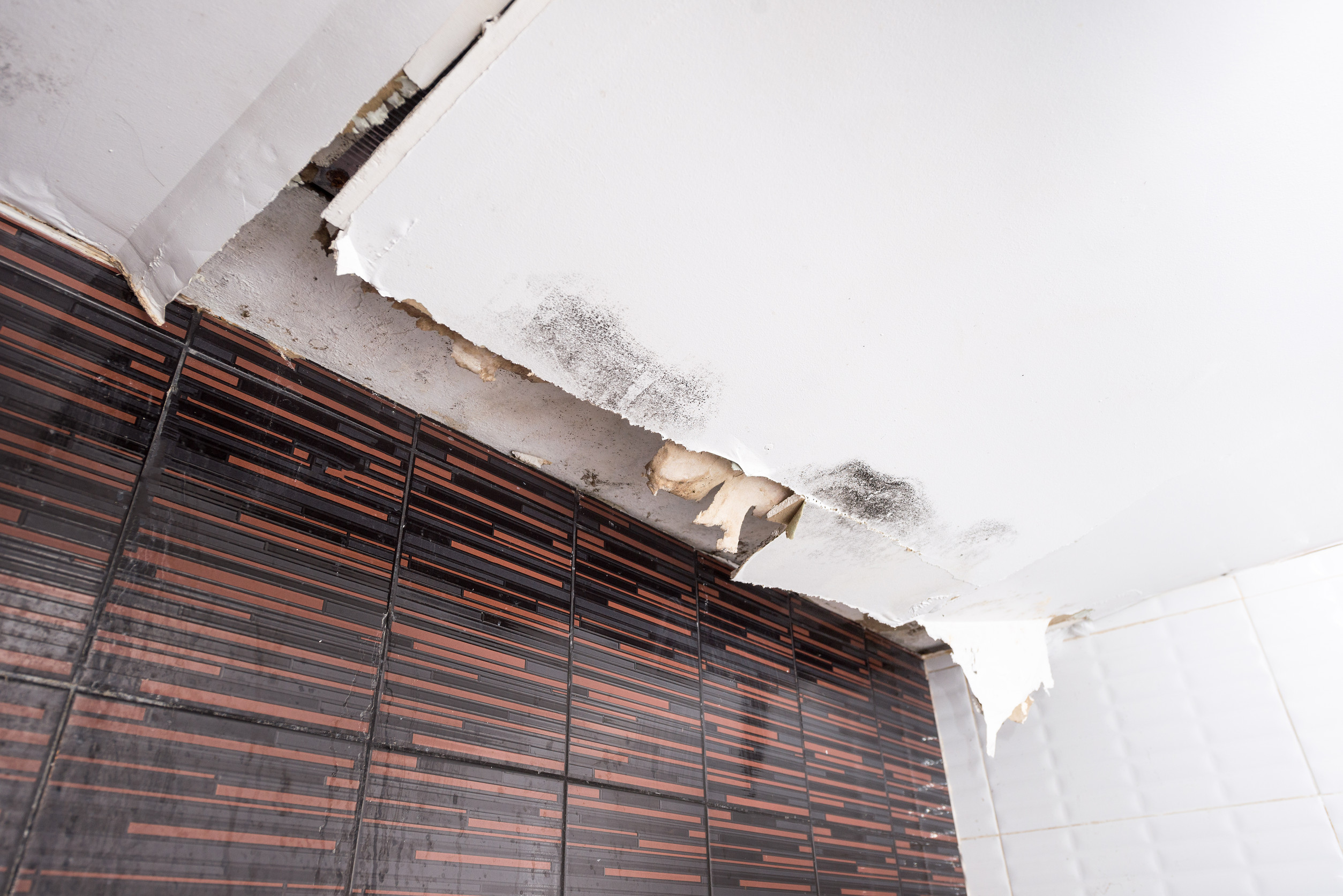
In some cases, damp patches or slight floor discolouration may appear, especially if the leak has been present for some time. These signs should not be ignored, as they can point to ongoing damage beneath the surface.
Why Underfloor Heating Leaks Are Difficult to Find
Underfloor heating systems are designed to be concealed, which is part of their appeal. However, this also makes locating leaks more complex compared to standard plumbing systems.
Pipework is typically embedded within screed, concrete, or beneath finished flooring. This means the source of a leak is not visible and cannot be accessed without careful investigation.
Water from a leak can travel away from the original source before becoming visible, making it harder to pinpoint the exact location. What appears to be the problem area may not be where the leak actually started.
Different system types also add complexity. Whether it is a wet system with circulating water or an electric system with heating elements, each requires a different approach to diagnosis.
Because of these factors, underfloor heating leak detection relies on precise methods rather than trial-and-error access.
What Non-Invasive Leak Tracing Involves
Modern underfloor heating leak detection uses non-invasive techniques to locate issues without removing large sections of flooring.
Thermal imaging is often the first step. By scanning the floor surface, engineers can identify temperature inconsistencies that suggest heat loss or escaping water. This helps narrow down the affected area.
Acoustic leak tracing may also be used. This method detects sound frequencies created by water escaping under pressure, allowing engineers to listen for the exact point of failure within the system.
Tracer gas can be introduced into the pipework in more complex cases. The gas escapes through the leak and rises to the surface, where sensitive equipment detects its presence. This method is especially useful for identifying very small leaks.
These techniques work together to provide accurate results while keeping disruption to a minimum.
What Information Speeds Up Diagnosis
Providing the right information before a visit can help speed up underfloor heating leak detection and improve accuracy.
Knowing when the issue started can give useful context. Whether the pressure drop appeared suddenly or developed over time helps guide the investigation.
Details about recent building work, renovations, or changes to the heating system can also be relevant. Even minor alterations may affect pipework or connections.
Photos of any visible symptoms, such as floor discolouration or damp areas, can support the process. These give engineers a clearer picture before testing begins.
Access to key areas, including the manifold and control systems, is also important. Ensuring these are easy to reach allows the inspection to proceed without delays.
The more information available at the start, the more efficient the diagnosis is likely to be.
What Happens After the Leak Is Found
Once underfloor heating leak detection has identified the source, the next steps focus on confirming the exact location, planning access, and carrying out repairs.
The tracing stage pinpoints the leak as accurately as possible. This reduces the need for unnecessary removal of flooring or structural materials.
Access is then carefully planned. Rather than lifting large areas, only the section directly above the leak is opened. This helps limit disruption and keeps repair work contained.
Repair methods depend on the system and extent of the damage. In many cases, a section of pipe can be repaired or replaced without affecting the rest of the system.
After the repair, the system is pressure tested to confirm that the issue has been resolved. The affected area can then be reinstated.
Understanding this process helps set clear expectations and reduces uncertainty around what happens next.
How Professional Leak Detection Supports Better Outcomes
Accurate underfloor heating leak detection reduces unnecessary disruption and helps ensure that repairs are targeted and effective. By identifying the issue early, property owners can avoid further damage and maintain system performance.
Professional detection methods also support better planning, as engineers can provide clear guidance on access and repair before any work begins. This makes the process more controlled and predictable.
For those dealing with suspected issues, learning more about Leak Detection services can provide a clearer understanding of available options and how inspections are carried out.
Frequently Asked Questions About Underfloor Heating Leak Detection
What causes an underfloor heating pressure drop?
An underfloor heating pressure drop is often caused by water escaping from the system through a leak. It may also be linked to faulty valves or connections, but consistent pressure loss usually points to a problem within the pipework that requires further investigation.
Can underfloor heating leaks fix themselves?
Leaks do not resolve on their own. While symptoms may appear to improve temporarily, the underlying issue remains and can worsen over time. Early detection is important to prevent further damage and maintain system efficiency.
Is it necessary to lift the entire floor to find a leak?
No, modern underfloor heating leak detection methods are designed to avoid unnecessary disruption. Techniques such as thermal imaging and tracer gas allow engineers to locate the leak accurately, meaning only a small area typically needs to be accessed.
How long does underfloor heating leak detection take?
The time required depends on the size of the system and the complexity of the issue. In many cases, detection can be completed within a few hours, although more detailed investigations may take longer if multiple methods are needed.
Can leaks affect the performance of the whole system?
Yes, even a small leak can reduce overall system efficiency. Heat distribution may become uneven, and the system may need to work harder to maintain temperature, leading to increased energy use.
Get Help with Underfloor Heating Leak Detection
If you’re experiencing signs of a leak or an ongoing underfloor heating pressure drop, taking action early can help limit damage and reduce repair work. Explore professional leak detection services to understand how non-invasive methods can identify the issue and guide the next steps.
To move forward, visit the contact page to request further information or arrange an assessment.
continue reading
Related Posts
Water leak detection methods have become more precise, allowing engineers
-
Water damage can escalate quickly. What starts as a small
Water leaks rarely announce themselves clearly. Instead, they show up