

Introduction to Bathroom Leak Detection Services in the UK
Bathrooms are one of the highest-risk areas for leaks due to constant water use, multiple plumbing fixtures, and concealed pipework. Even small leaks can lead to significant structural damage if they go unnoticed. Bathroom Leak Detection Services are essential for identifying hidden shower leaks, toilet leaks, and underfloor leaks before they cause long-term problems. UK homeowners frequently encounter bathroom-related water issues, especially during the first quarter of the year when heating and plumbing systems face increased pressure. The Leak Detection Experts provide accurate, non-invasive diagnostics to help protect homes from costly water damage.
Why Bathroom Leaks Are a Common Issue in UK Homes | The Leak Detection Experts
High Water Usage Areas Increase Leak Risks
Bathrooms experience constant moisture exposure from showers, baths, toilets, and sinks. This high water usage puts strain on joints, seals, tiles, and pipework. Over time, small gaps or weak points can allow water to escape into surrounding materials. Bathroom Leak Detection Services help locate moisture sources quickly, preventing further damage. UK homes with older plumbing systems are especially vulnerable to bathroom leaks due to worn pipes and aging sealants.
Hidden Bathroom Leaks Behind Tiles and Walls
Many bathroom leaks occur in places that are difficult to access. Moisture can seep behind tiles, into plasterboard, under flooring, and behind shower enclosures. These hidden leaks may continue for weeks without visible signs. By the time damp patches or mould appear, significant structural damage may already be present. Leak detection specialists use advanced non-invasive tools to identify leak locations behind bathroom surfaces without causing disruption.
How Small Bathroom Leaks Become Major Problems
Even a slow drip can cause extensive damage over time. Bathroom leaks often spread to adjacent rooms, flooring structures, or ceilings below. Water becomes trapped in materials such as wood, plaster, and insulation, leading to mould growth, warped flooring, and weakened structures. Early detection prevents these issues and reduces repair costs. Bathroom Leak Detection Services ensure leaks are found before they escalate into major, costly repairs.
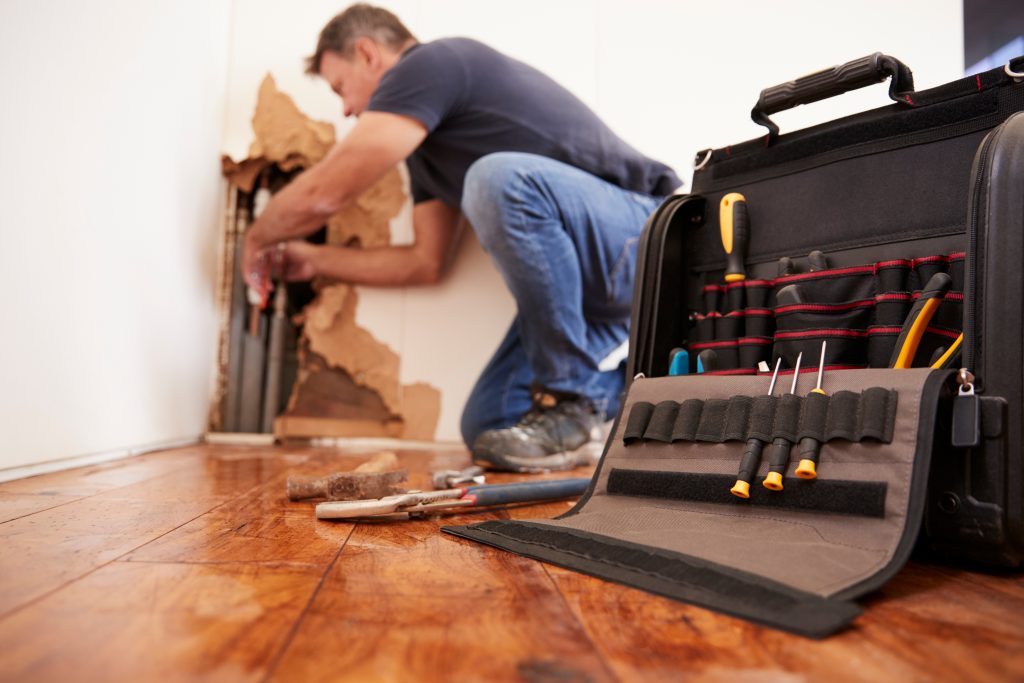
Shower Leak Detection for UK Bathrooms
Signs of Shower Leaks Behind Walls and Floors
Shower leaks are common due to the volume of water used daily. Signs of shower leaks include damp patches around the base, loose tiles, mould growth, peeling paint, and weakened grout. Water can travel behind the wall or under the tray, creating widespread moisture problems. Early detection prevents structural deterioration and reduces the extent of repairs needed. Shower Leak Detection identifies the precise leak source without removing tiles or fixtures.
Causes of Shower Tray and Seal Leaks
Leakage from a shower often begins with failed seals or poorly installed shower trays. Damaged silicone, cracked grout lines, worn rubber seals, or improper tray alignment can allow water to bypass protective layers. Water then builds up behind the enclosure, soaking into underlying materials. Over time, this leads to mould and structural weakening. Leak detection experts identify the exact cause, allowing targeted repairs that prevent long-term damage.
How Shower Leaks Lead to Structural Damage
Shower leaks are particularly damaging because they often go unnoticed until significant structural issues develop. Moisture spreads into subflooring, joists, and wall cavities. These areas absorb water quickly, leading to rot, warping, and decay. When the leak reaches ceilings below, staining and sagging may occur. Shower Leak Detection protects these underlying structures by identifying leaks early before irreversible damage occurs.
Toilet Leak Detection for UK Homes
Identifying Leaks at Toilet Bases and Connections
Leaks often occur around toilet bases, pipe connections, and cistern joints. Signs include water pooling around the base, damp flooring, and persistent moisture. Loose fixings, degraded wax rings, or worn seals are common causes. These leaks may spread beneath flooring materials, causing ongoing damage. Toilet Leak Detection quickly identifies these issues to prevent long-term moisture problems.
Detecting Silent Toilet Tank Leaks
Not all toilet leaks are visible. Silent leaks inside the toilet tank can waste large amounts of water without obvious signs. These leaks occur when internal valves fail, allowing water to escape into the bowl continuously. Over time, internal moisture can lead to mould and damage around the fixture. Leak detection specialists identify silent leaks and trace moisture to its source, ensuring the toilet system operates correctly.
Why Toilet Leaks Are Often Hidden Until Damage Appears
Toilet leaks frequently occur beneath flooring or behind walls, making them difficult to detect early. Water may travel under tiles or laminate flooring before becoming visible. This hidden moisture causes swelling, staining, and mould development. By the time symptoms appear, the damage may already be extensive. Toilet Leak Detection identifies concealed leaks early to reduce repair costs and protect flooring structures.
Underfloor Leak Detection in Bathrooms Across the UK
Concealed Pipe Leaks Beneath Bathroom Flooring
Underfloor leaks are among the most challenging to locate because they occur beneath tiles, vinyl, or laminate flooring. Bathroom floors often hide pipework that carries both hot and cold water. A leak in these areas can spread quickly and silently. Underfloor Leak Detection uses thermal imaging and acoustic technology to identify leaks precisely, preventing unnecessary floor removal.
Heated Floor System Leak Risks
Many modern UK homes have underfloor heating systems, which are prone to leaks during component failure or pressure issues. Heated floors conceal pipework that may develop pin-hole leaks or pressure drops. These leaks are difficult to detect without specialised tools. Leak detection specialists examine temperature patterns and moisture readings to locate faults accurately.
Non-Invasive Tools for Locating Underfloor Leaks
Non-invasive leak detection ensures that bathroom floors remain intact during the diagnostic process. Tools such as moisture meters, tracer gas systems, and thermal cameras allow specialists to pinpoint leak locations without lifting flooring. This approach prevents unnecessary disruption and reduces repair time.
How Bathroom Leak Detection Protects UK Homes
Preventing Subfloor Rot and Mould Spread
Moisture beneath bathroom flooring creates an ideal environment for mould and rot. Once this process begins, it spreads through wood, insulation, and structural supports. Bathroom Leak Detection prevents this by identifying water intrusion early. Early action protects the home from costly repairs and maintains a healthy indoor environment.
Reducing Water Damage Repair Costs
Bathroom water damage can become increasingly expensive if leaks remain undetected. Structural repairs, mould removal, and flooring replacement can be avoided through early detection. Professional leak detection identifies issues before they escalate, keeping repair costs manageable.
Protecting Property Value Through Early Detection
Water damage can significantly affect a property’s value. Stains, structural issues, or ongoing leaks may reduce the appeal and integrity of a home. Early bathroom leak detection ensures that issues are resolved before they impact property value. This makes leak detection essential for homeowners planning to sell or maintain their home over the long term.
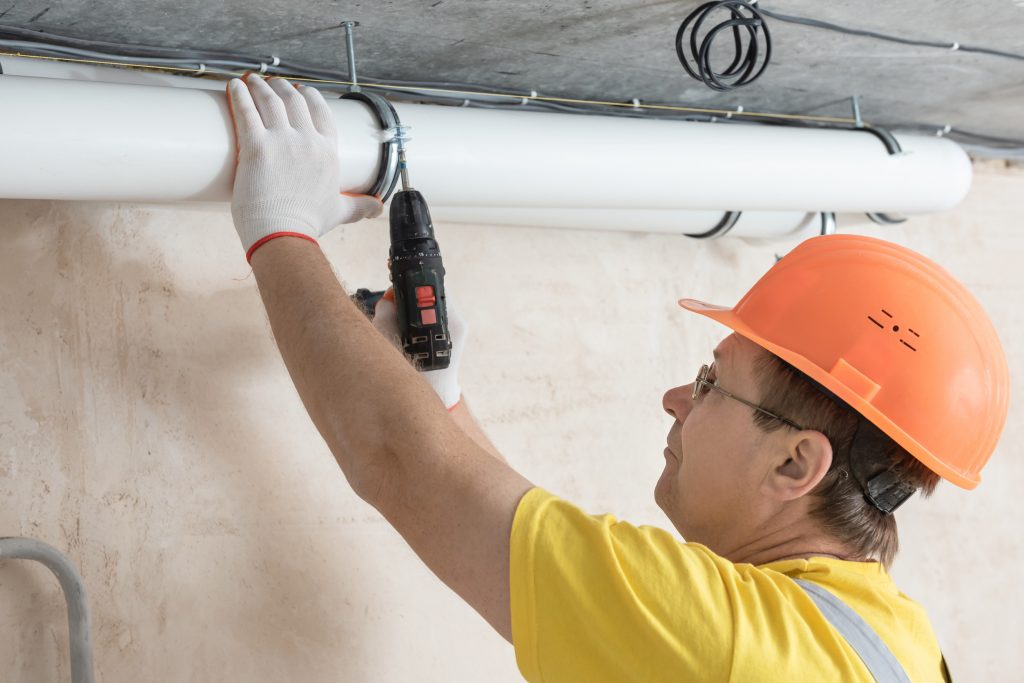
Frequently Asked Questions About Bathroom Leak Detection Services in the UK
Q1: Why are Bathroom Leak Detection Services important for UK homeowners?
Bathroom Leak Detection Services are important because bathrooms contain multiple plumbing fixtures and high-moisture environments where leaks often develop. Many bathroom leaks remain hidden behind tiles, under flooring, or inside walls, causing damage long before visible signs appear. Early leak detection helps identify moisture problems before they spread, preventing structural damage and costly repairs. In the UK, bathrooms are common sources of water-related issues, especially in older homes with ageing plumbing systems. Detecting leaks early protects property interiors, prevents mould growth, and reduces long-term repair costs.
Q2: What signs indicate a shower leak in a bathroom?
Signs of a shower leak include loose or cracked tiles, damp patches on nearby walls, peeling paint, mould growth, weakened grout lines, and water pooling around the shower area. Soft or spongy flooring outside the shower also signals moisture beneath the surface. Stains on ceilings below the bathroom indicate that water has escaped behind the enclosure. These symptoms often develop after a shower tray seal fails or grout weakens. Detecting these signs early ensures that the problem is addressed before it causes structural damage or widespread moisture issues.
Q3: How do Toilet Leaks cause hidden water damage?
Toilet leaks can cause hidden water damage by allowing moisture to seep beneath flooring or behind wall structures. Leaks at the base, cistern, or pipe connections often spread silently before visible signs appear. As water infiltrates subflooring or wall cavities, it weakens structural materials and encourages mould growth. Because toilets are used daily, even small leaks can result in substantial cumulative damage. Early detection is essential to prevent deterioration and avoid major repairs. Identifying toilet leaks promptly protects flooring, walls, and surrounding areas from long-term moisture exposure.
Q4: Can Underfloor Leaks be detected without removing tiles?
Underfloor leaks can be detected without removing tiles by using non-invasive leak detection technology. Tools such as thermal imaging cameras identify temperature changes in the floor, which indicate moisture patterns. Acoustic listening devices detect sounds associated with leaking pipes, while tracer gas systems locate pressure-related leaks within concealed pipework. These advanced tools allow specialists to locate underfloor leaks accurately without disrupting flooring. Early non-invasive detection prevents the need for extensive floor removal, making repairs more manageable and reducing overall restoration time.
Q5: How does early Bathroom Leak Detection save money?
Early Bathroom Leak Detection saves money by identifying water intrusion before it spreads and causes significant structural damage. Undetected leaks can weaken floor supports, damage plasterboard, allow mould growth, and require extensive restoration. Early detection ensures issues are addressed quickly, reducing the scope and cost of repairs. By targeting the exact source of the leak, unnecessary work is avoided. Preventing long-term damage helps maintain property value and avoids expensive bathroom renovations. Immediate detection is one of the most cost-effective ways to protect a home from water-related damage.
Protecting UK Properties with Bathroom Leak Detection Services
Bathroom Leak Detection Services are essential for maintaining safe, functional, and moisture-free homes in the UK. Bathrooms experience heavy daily water use, which increases the likelihood of hidden leaks in showers, toilets, and underfloor pipework. The Leak Detection Experts provide accurate, non-invasive diagnostics that protect against water intrusion, structural damage, and costly repairs. Identifying leaks early ensures that homeowners can resolve issues quickly, safeguard their property, and prevent long-term deterioration. Bathroom Leak Detection remains a vital part of home maintenance and property protection throughout the year.
continue reading
Related Posts
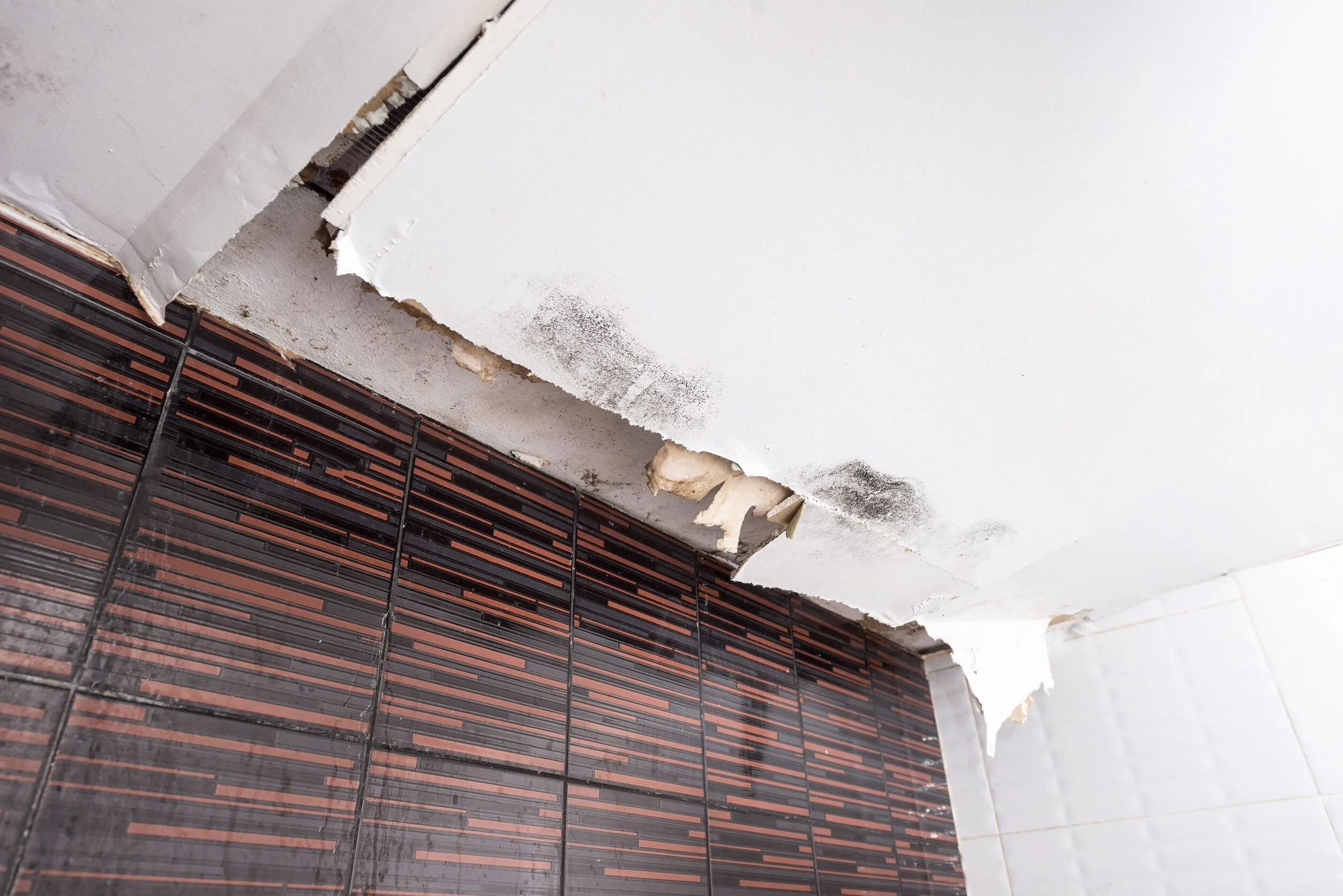
Water leak detection methods have become more precise, allowing engineers
Underfloor heating leak detection becomes necessary when hidden pipework begins
-
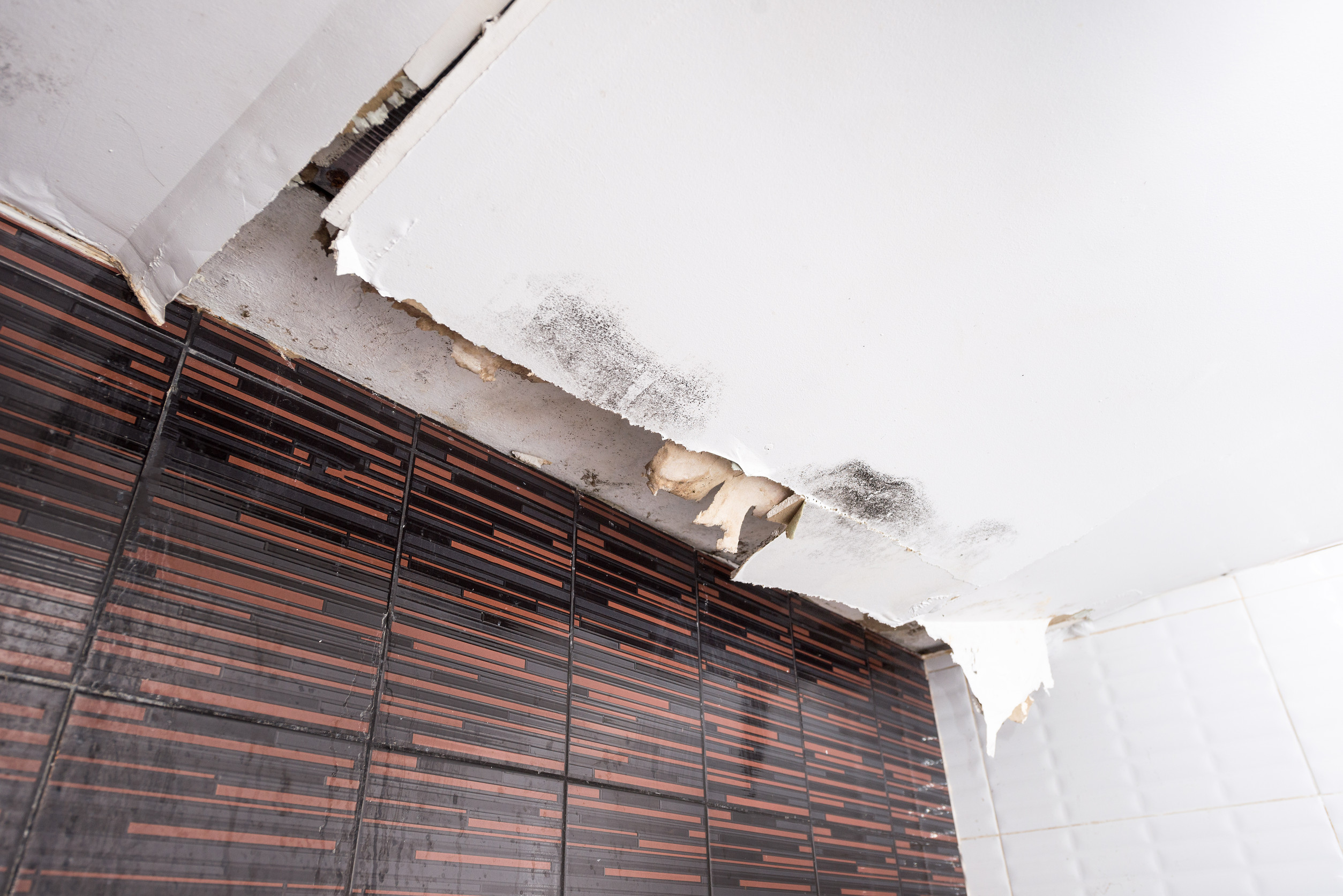
Water damage can escalate quickly. What starts as a small