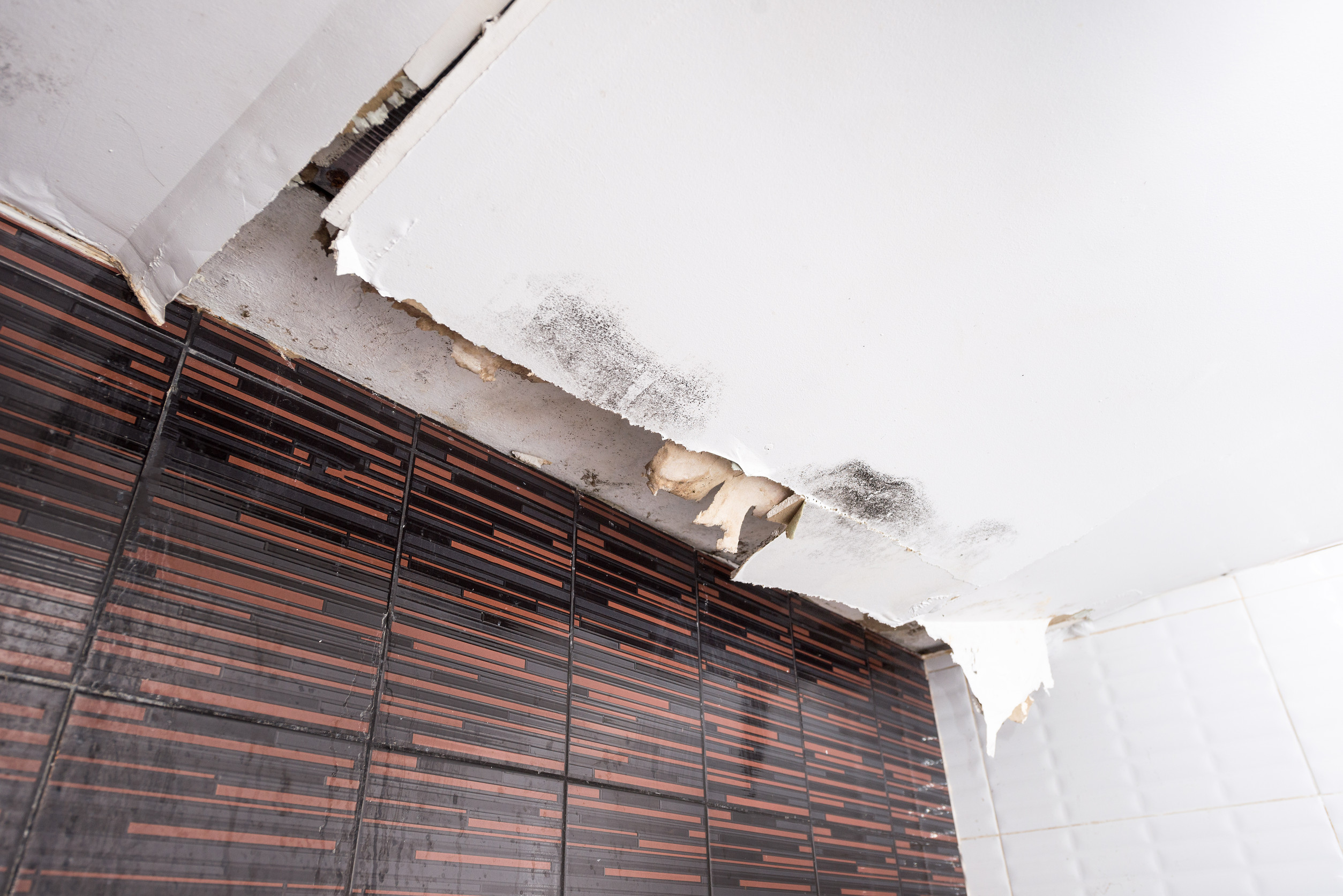
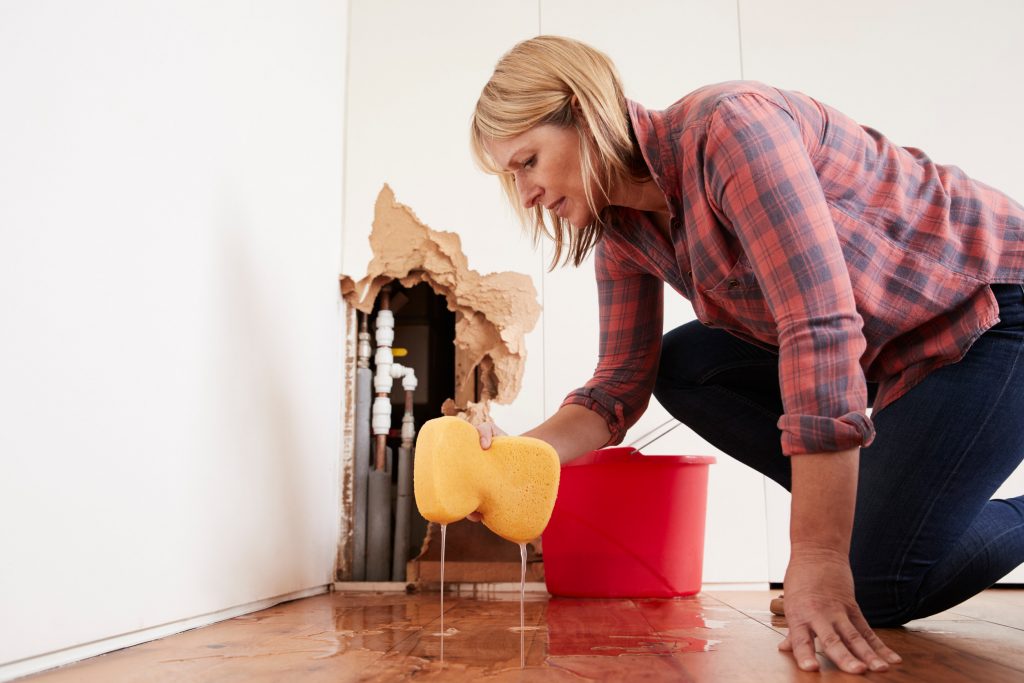
Water damage can escalate quickly. What starts as a small hidden leak can turn into damaged plaster, warped flooring, mould growth, and structural issues if it is not handled correctly. That is why professional Water Damage & Drying Solutions are so important after any leak.
Whether the issue is a burst pipe, hidden central heating leak, or escape of water from plumbing systems, acting quickly and following the right drying process protects both your property and your long term repair costs.
In this guide, you will learn how water damage affects buildings, why structural drying after leaks matters, and what a professional drying process should involve.
How Water Damage Spreads Through a Property
Water rarely stays where you first see it. It travels through floors, behind walls, and into ceilings. In many cases, visible staining is only a small part of the problem.
Once water enters a building structure, it begins to saturate materials such as plasterboard, timber joists, insulation, and screed. These materials absorb moisture at different rates. Without specialist drying equipment and moisture testing, it is almost impossible to know how far the water has spread.
That is why effective Water Damage & Drying Solutions begin with accurate assessment. Professional leak detection specialists use moisture meters and thermal imaging to identify affected areas before any drying plan is put in place.
Why Immediate Action Is Critical
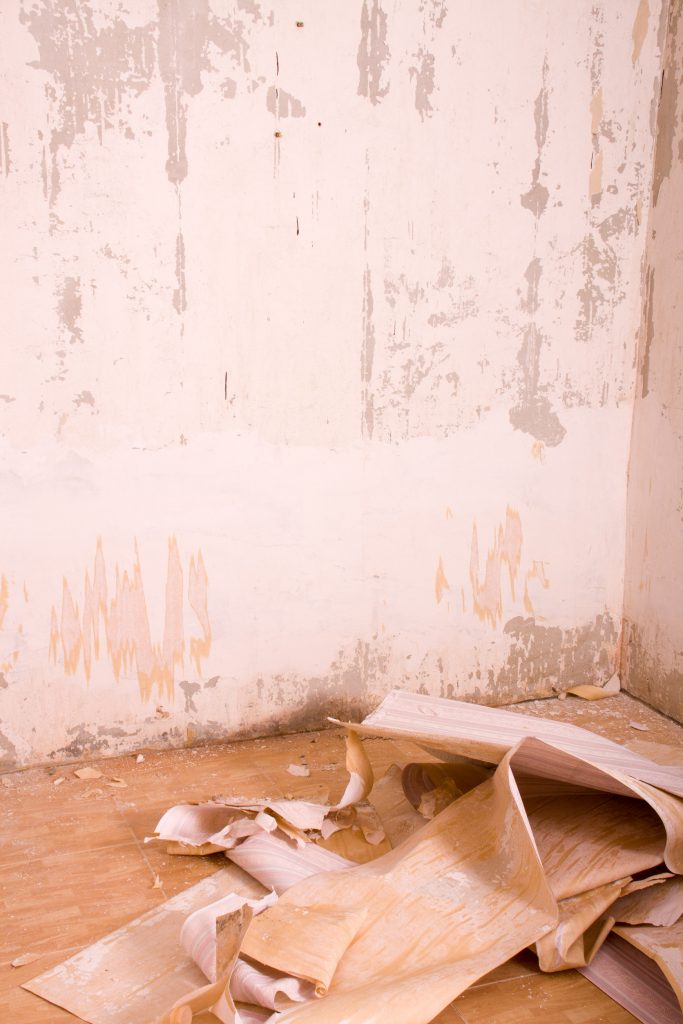
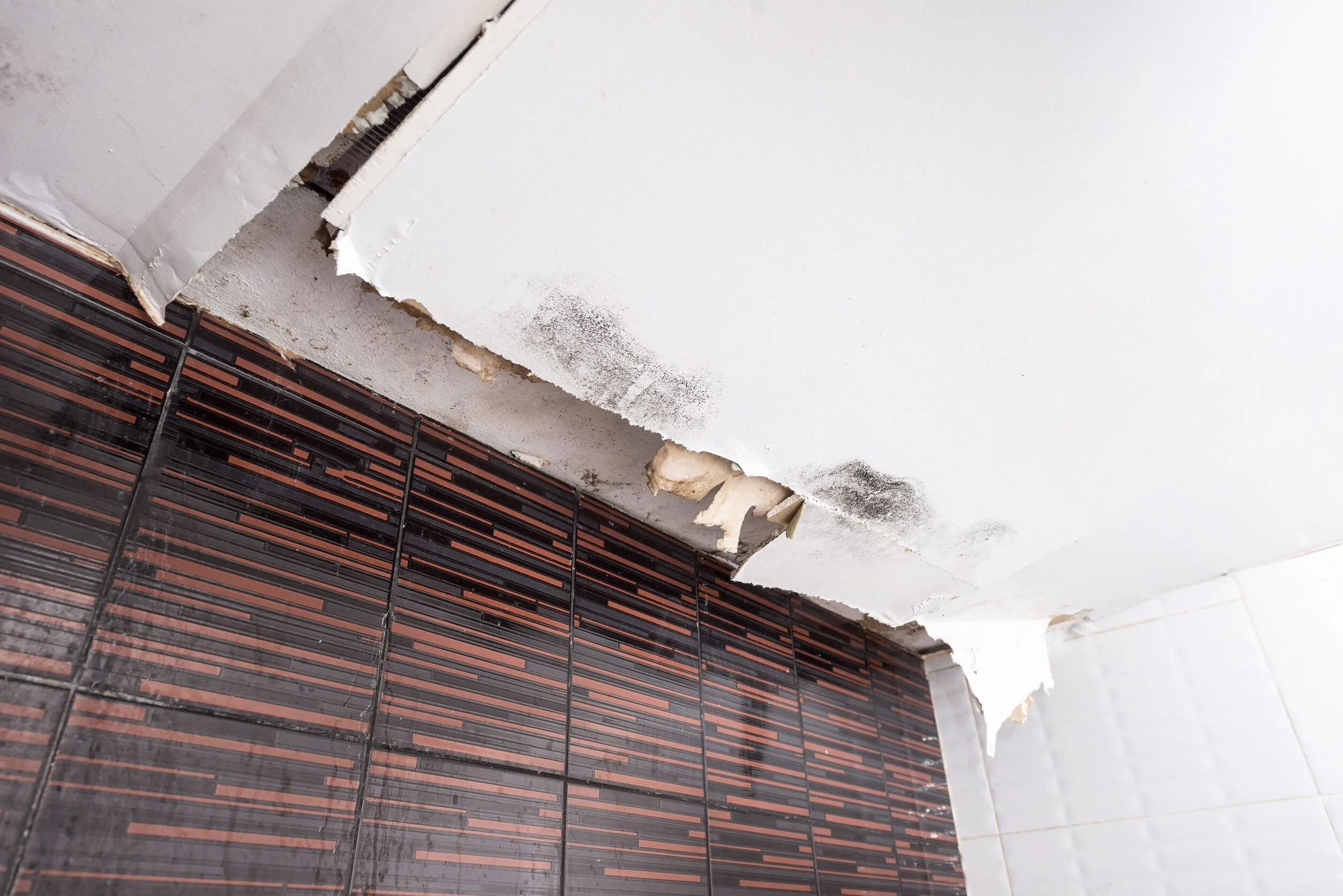
Delaying the drying process can lead to secondary damage. Timber can swell and distort. Metal components may corrode. Decorative finishes can blister and peel.
More importantly, prolonged moisture creates conditions for mould growth. Mould can begin developing within 24 to 48 hours in the right conditions. Once mould is present, the remediation process becomes more complex and disruptive.
By arranging structural drying after leaks as soon as the source is repaired, you significantly reduce the risk of deeper structural deterioration and health concerns linked to damp environments.
What Professional Water Damage & Drying Solutions Involve
Proper drying is not about opening windows and using a household dehumidifier. It requires a controlled and monitored approach tailored to the type of water damage and the building materials involved.
A professional process typically starts with isolating the source of the leak. Once the leak detection phase is complete and repairs are made, drying can begin.
Specialist equipment such as industrial dehumidifiers and air movers are positioned strategically to create airflow across wet surfaces. This encourages evaporation. Dehumidifiers then extract moisture from the air, preventing it from settling back into materials.
Throughout the process, technicians carry out regular moisture readings. This ensures structural drying after leaks is progressing as planned and that hidden pockets of moisture are not left behind.
The Importance of Structural Drying After Leaks
Structural drying after leaks focuses on the building fabric itself. This includes subfloors, cavity walls, joists, and other structural components that are not immediately visible.
If these areas are not dried correctly, trapped moisture can weaken structural elements over time. Timber rot, degraded insulation, and compromised plasterwork are common consequences.
Professional Water Damage & Drying Solutions address these risks by targeting moisture deep within the structure. In some cases, controlled access may be required to reach concealed voids. The goal is always to minimise disruption while ensuring complete drying.
Signs You May Need Water Damage & Drying Solutions
Not all water damage is obvious. Even after a leak has been repaired, you might still notice signs that drying has not been fully completed.
Persistent musty odours can indicate trapped moisture. Flooring that feels spongy or uneven may suggest saturation beneath the surface. Discoloured patches on ceilings or walls can reappear if underlying materials remain damp.
If you notice these issues, arranging professional structural drying after leaks can prevent further deterioration and avoid more extensive restoration work later.
How Drying Protects Your Insurance Claim
Many property owners rely on insurance to cover the cost of water damage repairs. However, insurers often require evidence that appropriate steps were taken to mitigate further damage.
Professional Water Damage & Drying Solutions provide documented moisture readings and drying reports. This documentation supports your claim by demonstrating that the property was dried properly following the leak.
Without verified structural drying after leaks, there is a risk that insurers may question the extent of damage or decline certain elements of the claim.
Preventing Long Term Structural Issues
Water damage does not always show immediate structural consequences. Problems can develop months after the original incident if moisture remains hidden.
Over time, damp conditions can weaken timber framing, compromise load bearing components, and reduce the performance of insulation. This not only affects the integrity of the building but also impacts energy efficiency.
By investing in thorough Water Damage & Drying Solutions, you reduce the risk of long term structural repairs and maintain the overall condition of your property.
Choosing the Right Specialists for Water Damage & Drying Solutions
Not all drying services are equal. Effective drying requires technical knowledge of building construction, moisture behaviour, and the correct use of equipment.
Look for specialists who combine leak detection expertise with drying capability. This ensures the root cause is accurately identified and resolved before drying begins. Structural drying after leaks should always follow a clear plan with measurable progress.
Experience in working with both residential and commercial properties is also important, as different building types require different approaches.
FAQs About Water Damage & Drying Solutions
How long do Water Damage & Drying Solutions usually take?
The timeframe depends on the extent of the damage, the materials affected, and how quickly the leak was identified. Minor surface drying may take a few days, while structural drying after leaks affecting subfloors or cavity walls can take one to three weeks. Ongoing moisture monitoring is essential to confirm when the structure has returned to acceptable levels.
Is structural drying after leaks always necessary?
If water has penetrated beyond surface finishes, structural drying after leaks is usually required. Even when surfaces appear dry, underlying materials can remain saturated. Without professional drying, trapped moisture can lead to mould growth, timber decay, and recurring damp issues that require further repair.
Can I handle water damage drying myself?
Small spills can often be managed with ventilation and household equipment. However, larger leaks and escape of water incidents typically require professional Water Damage & Drying Solutions. Domestic dehumidifiers are rarely powerful enough to dry structural elements effectively, and without moisture testing, hidden damp areas may be missed.
Will drying require removing walls or floors?
In many cases, modern equipment allows technicians to dry structures with minimal disruption. Structural drying after leaks may involve lifting sections of flooring or creating small access points, but the aim is always to preserve as much of the existing structure as possible while achieving complete drying.
Restore Your Property with Professional Water Damage & Drying Solutions
If your property has experienced a leak, acting quickly makes a significant difference. Proper Water Damage & Drying Solutions protect your structure, reduce the risk of mould, and help prevent long-term repair costs.
Working with experienced specialists ensures that structural drying after leaks is carried out thoroughly and professionally. If you suspect hidden moisture or ongoing damp following a leak, take the next step and arrange a professional assessment to safeguard your property.
continue reading
Related Posts
Water leak detection methods have become more precise, allowing engineers
-
Underfloor heating leak detection becomes necessary when hidden pipework begins
Water leaks rarely announce themselves clearly. Instead, they show up