Water leak detection methods have become more precise, allowing engineers to locate hidden leaks without unnecessary disruption. Whether the issue is behind walls, beneath floors, or underground, the right approach depends on the system, materials, and symptoms involved.
Understanding how each method works and when it is used can help you make informed decisions before booking a service.
When Each Water Leak Detection Method Is Used
Different water leak detection methods are applied based on the type of property, the suspected location of the leak, and how the system behaves during testing.
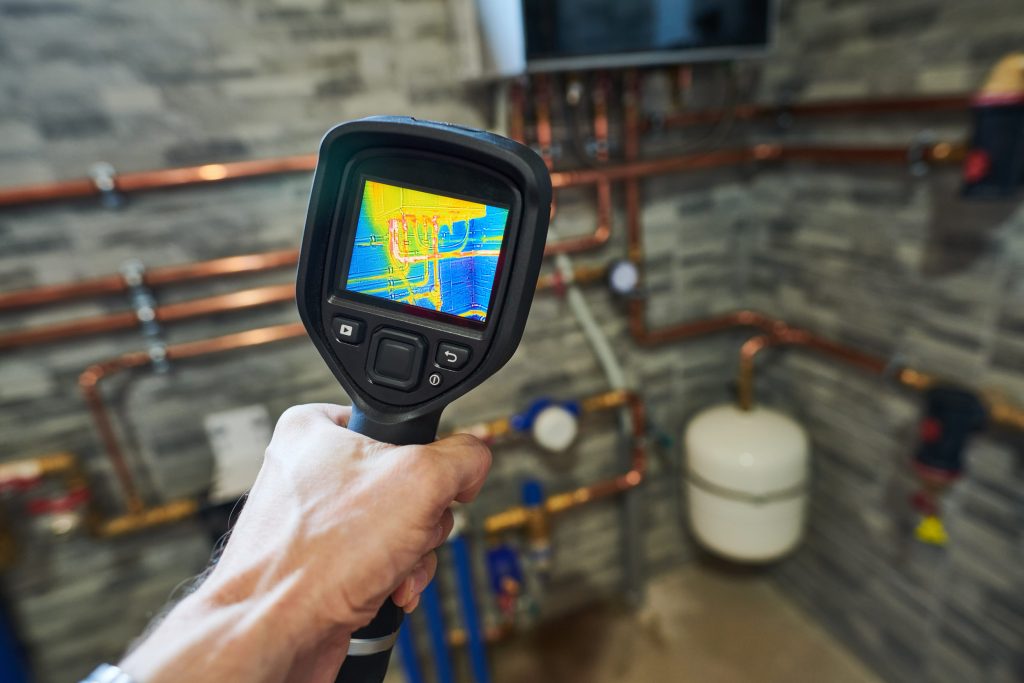
Thermal imaging leak detection is often used when leaks are suspected behind surfaces or within underfloor systems. It works well when temperature differences can be detected, such as warm water escaping into cooler surroundings.
Acoustic leak detection is commonly used for pressurised systems. It is particularly effective when water is actively escaping, as it produces sound waves that can be traced to the source.
Tracer gas detection is used when leaks are difficult to locate using other methods. It is especially helpful for very small leaks or systems where water is not clearly visible.
Moisture mapping is used to assess the spread of water after a leak has occurred. While it does not locate the exact source, it helps identify affected areas and supports repair planning.
Each method serves a specific purpose, and in many cases, a combination of techniques is used for accurate results.
What Each Method Can and Cannot Prove
It is important to understand the strengths and limitations of each water leak detection method before relying on the results.
Thermal imaging leak detection can highlight temperature differences that suggest moisture or heat loss. However, it does not confirm a leak on its own. Other factors, such as insulation gaps or airflow, can sometimes produce similar patterns.
Acoustic leak detection can identify the sound of water escaping under pressure. It is effective in many situations but may be less reliable in noisy environments or where pipes are deeply buried.
Tracer gas detection is one of the most precise methods for locating leaks. It can confirm the exact point of escape, but it requires the system to be isolated and prepared correctly before testing.
Moisture mapping shows where water has travelled and accumulated. While useful for understanding damage, it cannot identify the exact origin of the leak without additional testing.
Using the right combination of methods helps ensure that findings are accurate and supported by evidence.
What Affects the Accuracy
Several factors can influence how effective water leak detection methods are in practice.
Pipe material plays a significant role. Metal pipes may transmit sound more clearly, making acoustic leak detection easier. Plastic pipes, on the other hand, can absorb sound, which may reduce detection accuracy.
Depth and location of pipework also matter. Pipes buried deep within concrete or below ground level may be harder to assess, especially when using surface-based equipment.
Background noise can interfere with acoustic methods. Busy environments, machinery, or even nearby water flow can affect readings and make it harder to isolate the leak.
Temperature conditions can influence thermal imaging results. If there is not enough contrast between the leaking water and surrounding materials, the results may be less clear.
Understanding these factors helps set realistic expectations and supports better planning during the detection process.
Questions to Ask Before Booking
Before arranging a service, asking the right questions can help ensure that the appropriate water leak detection methods are used.
It is useful to ask which techniques are likely to be applied based on your specific issue. This helps you understand how the inspection will be carried out.
You may also want to ask whether multiple methods will be used if the leak is not immediately found. A combined approach often improves accuracy.
Clarifying what access may be required during the inspection can help you prepare your property in advance.
It is also helpful to understand what happens after the leak is located, including how repairs are planned and whether additional services such as drying or restoration are available.
For more details on how inspections are carried out, you can explore the Leak Detection section and the wider Services hub for related support.
How Leak Detection Fits Into the Repair Process
Water leak detection methods are only one part of resolving a leak. Once the source is identified, the focus shifts to controlled access and repair.
Accurate detection helps limit the area that needs to be opened, reducing disruption and keeping repair work targeted. This is particularly important for concealed systems where unnecessary removal of materials can increase time and cost.
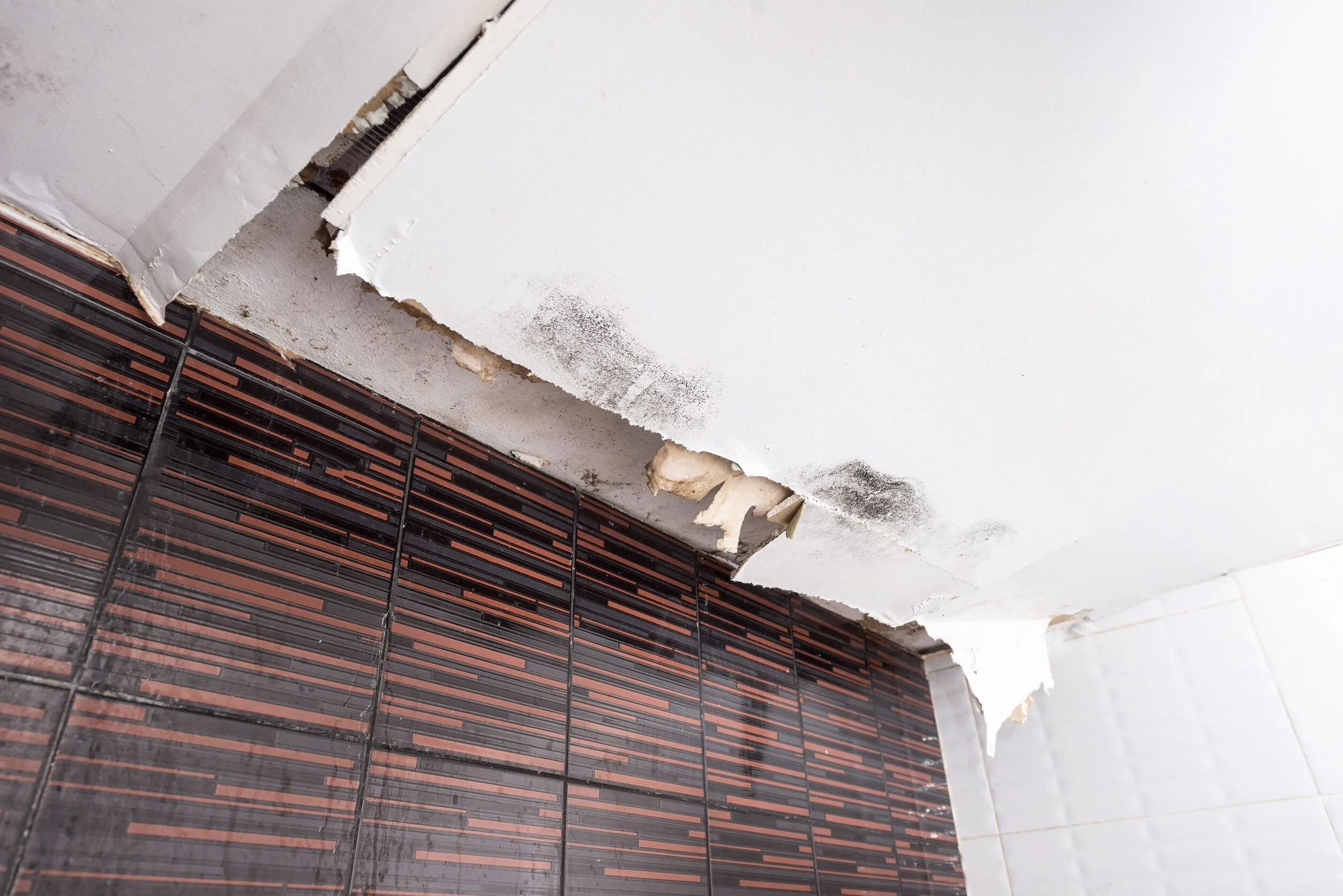
Following detection, repair planning ensures that the issue is resolved effectively while preserving as much of the surrounding structure as possible. In some cases, additional services such as drying or mould remediation may be required.
Understanding this process helps create a clearer picture of what to expect from start to finish.
Frequently Asked Questions About Water Leak Detection Methods
What is the most accurate water leak detection method?
There is no single method that works best in every situation. Tracer gas detection is often considered highly accurate for pinpointing leaks, but other methods such as thermal imaging leak detection and acoustic testing are equally important depending on the conditions. In many cases, a combination of techniques provides the most reliable results.
Is thermal imaging leak detection enough on its own?
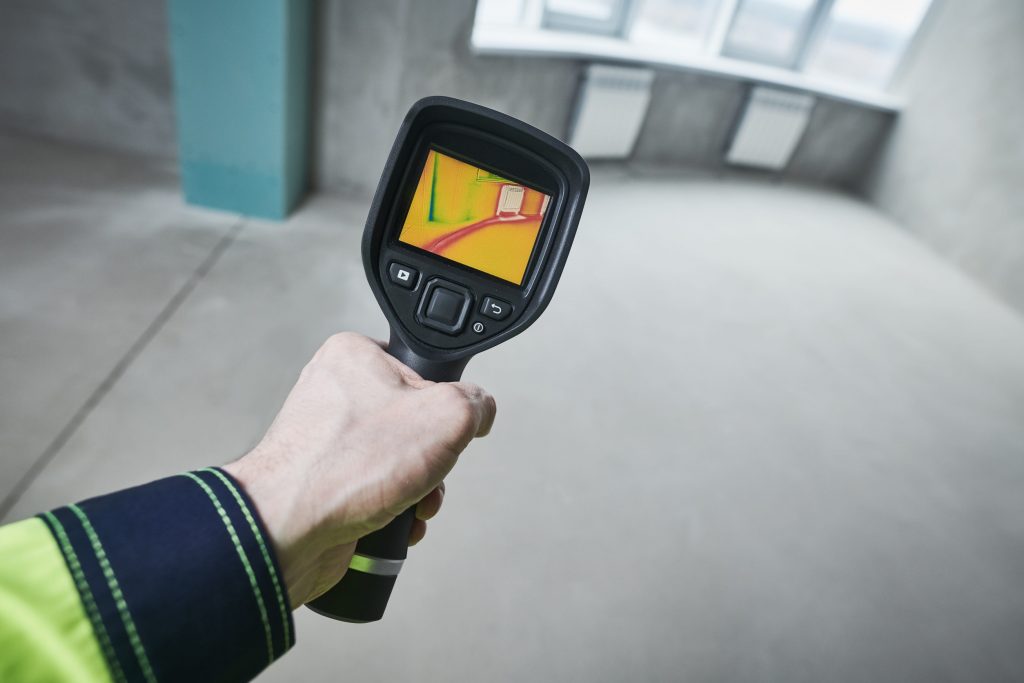
Thermal imaging leak detection is a useful starting point, but it does not always confirm a leak by itself. It highlights temperature differences that may indicate a problem, but further testing is usually required to verify the source and exact location.
Can leak detection work without damaging property?
Yes, most modern water leak detection methods are non-invasive. They are designed to locate leaks without removing flooring or breaking walls unnecessarily. If access is required, it is usually limited to a small, targeted area.
How long does leak detection take?
The time required depends on the complexity of the issue and the size of the property. Many inspections can be completed within a few hours, although more detailed investigations may take longer if multiple methods are needed.
What happens if the leak cannot be found immediately?
If a leak is not located during the initial inspection, additional methods may be used to continue the investigation. This may include combining different techniques or revisiting the system under different conditions to improve accuracy.
Get Expert Help with Water Leak Detection Methods
If you are dealing with suspected leaks, understanding which water leak detection methods apply to your situation can help you take the next step with confidence. Professional assessments use a combination of techniques to locate issues accurately and guide repair planning.
To learn more about available services or to arrange an inspection, visit the contact page and explore how leak detection can support a controlled and effective solution.
continue reading
Related Posts
Underfloor heating leak detection becomes necessary when hidden pipework begins
-
Water damage can escalate quickly. What starts as a small
Water leaks rarely announce themselves clearly. Instead, they show up